Yeah, it’s become standard practice now.
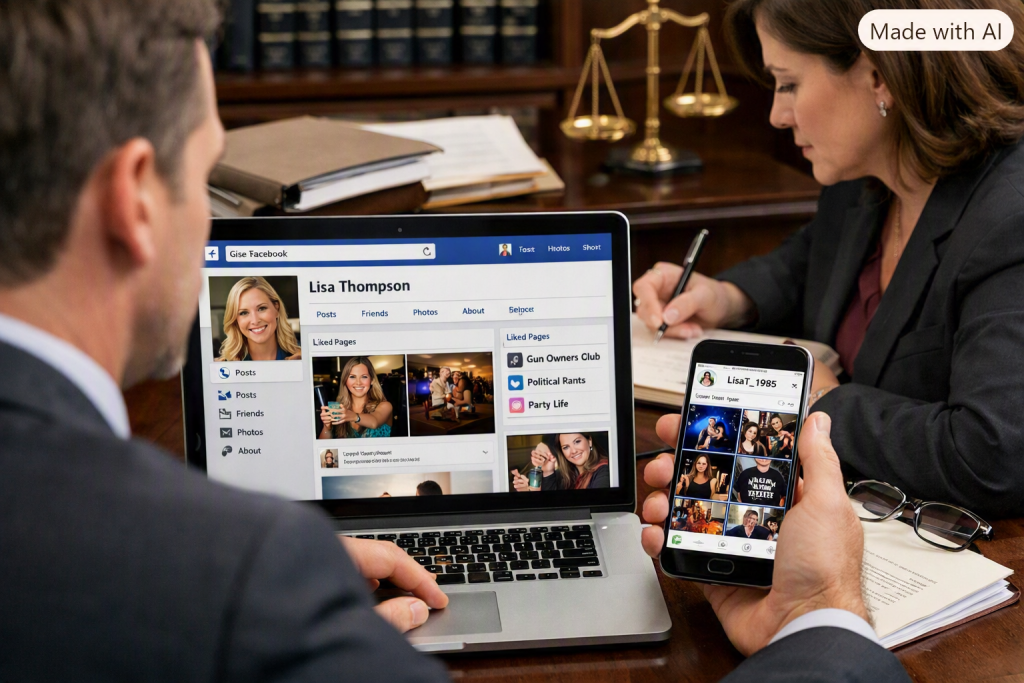
Before you even answer questions in pledge of speaking the truth in that interview, lawyers on both sides are googling names from the jury pool and scrolling through whatever is public. It’s faster and often more honest than what people say in court.
They aren’t looking for your job title, they’re looking for bias. If it’s a car accident case and you’ve posted rants about insurance companies, or it’s a pharma case and you’ve shared a bunch of posts about a drug company, that’s a flag. Likes, comments on news articles, advocacy group memberships, even that you liked a bunch of political posts. It all helps them decide whether to use a for-cause challenge or a peremptory strike to remove you.
There are rules though. The ABA says in Formal Opinion 466 that attorneys CAN look at your public profiles, but they can’t send you a friend request, follow you, DM you, or have someone else do it to get around your privacy settings. The LinkedIn thing is tricky too. Some judges have actually sanctioned lawyers because LinkedIn notified the juror that someone viewed their profile, and the court considered that improper contact.
And it doesn’t stop once you’re picked. Judges now specifically tell jurors, don’t Google the case, don’t post about it. People have been kicked off juries and even caused mistrials for posting a selfie from the jury box or looking up a defendant.
It’s not really about you being in trouble, it’s about both sides trying to seat an impartial jury. But it is a good reminder that your public posts are, actually public.
Do you keep your profiles pretty locked down, or is most of your stuff public? Think and think again.
From the source