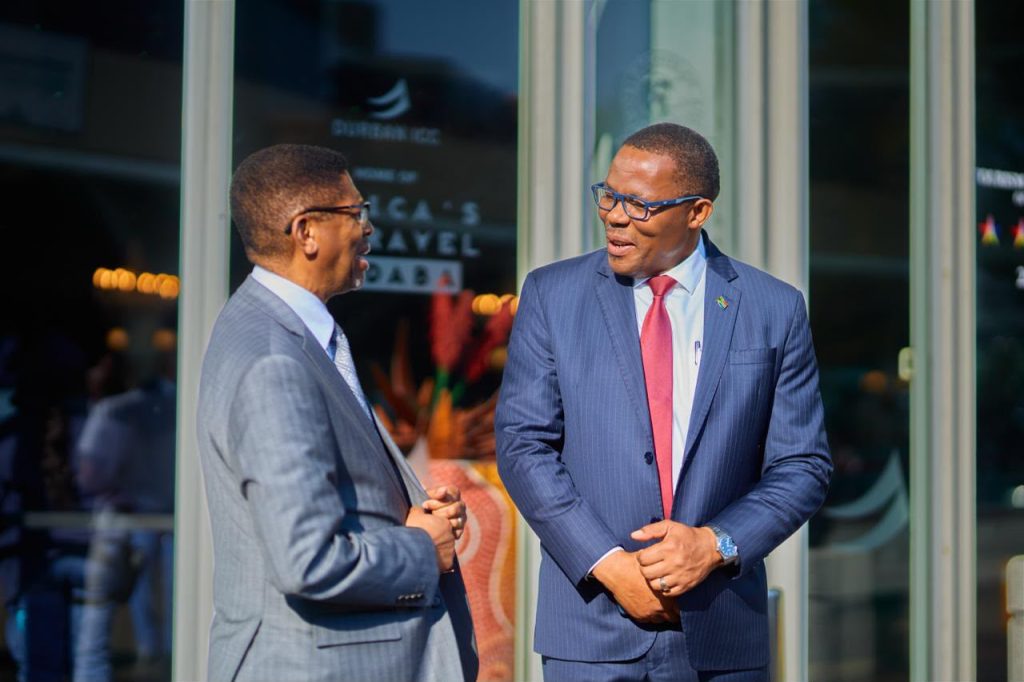
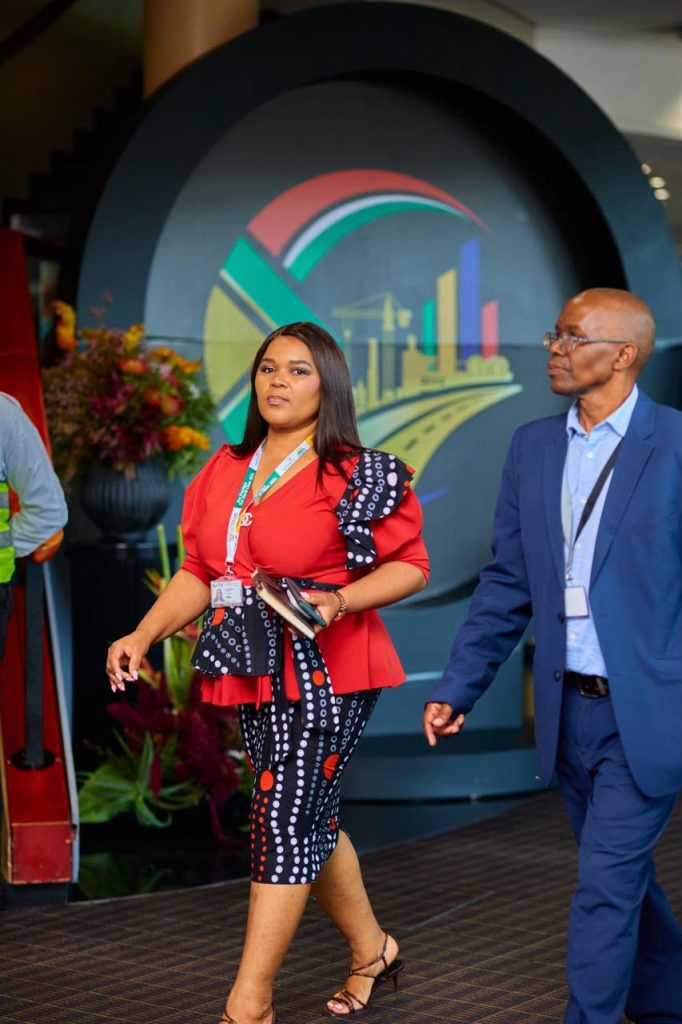
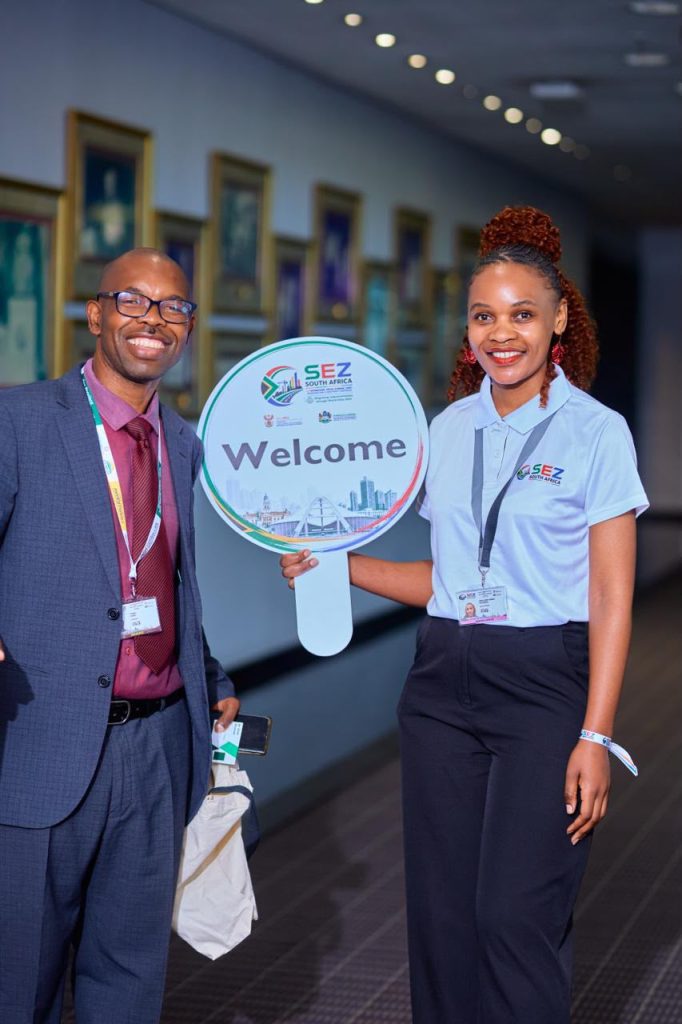
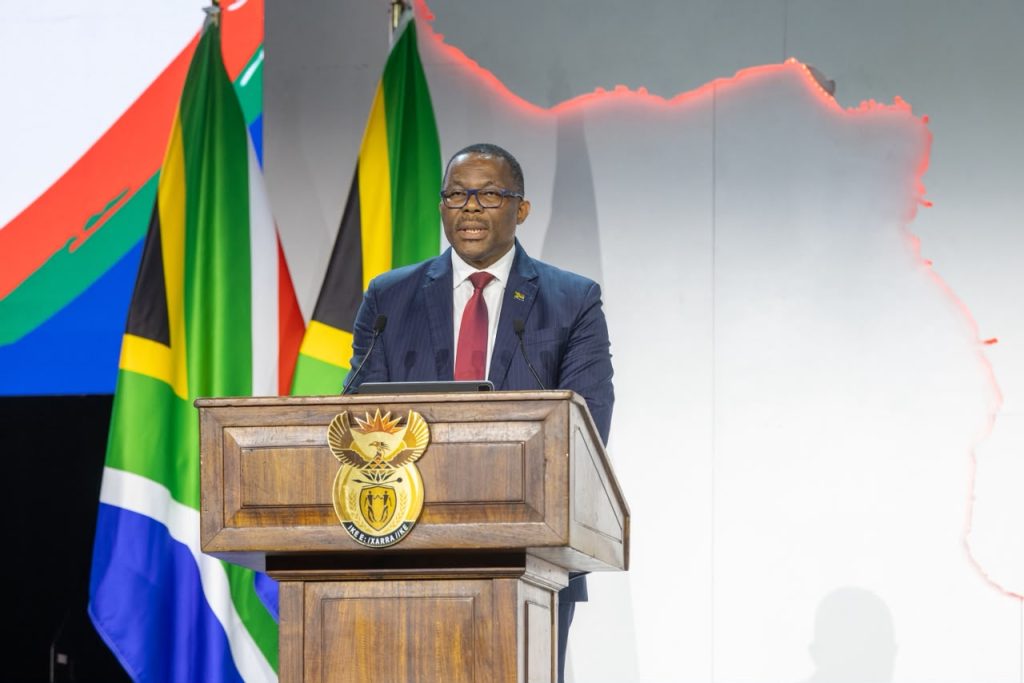
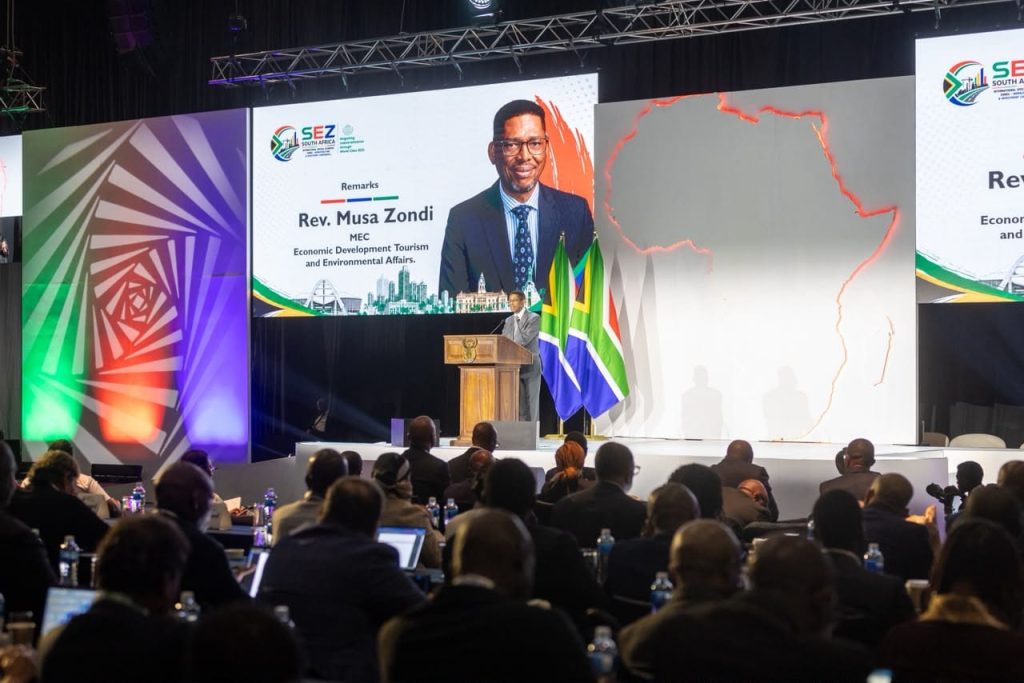
The 2nd International Special Economic Zones (SEZ) Conference continues today at the Inkosi Albert Luthuli ICC. Deputy President Paul Mashatile will led discussions as government leaders, industry captains, and policymakers focus on the future of South Africa’s manufacturing, regional integration, and sustainable job creation.
Mayor of eThekwini, Councilor Cyril Xaba, welcomed delegates to South Africa’s Second International Special Economic Zones (SEZs) Conference. He thanked the Department of Trade, Industry and Competition for choosing Durban, noting the city’s vital role in the nation’s economy.
Highlighting the theme “Reigniting Industrialisation through World-Class SEZs,” the Mayor said SEZs are key to growth and job creation. He pointed to the Dube Trade Port and Durban’s busy port as examples of how SEZs attract investment and boost trade.
Mayor Xaba praised the automotive industry’s success, with companies like Toyota and Volvo creating thousands of jobs. He called for stronger partnerships between government and business, especially to support small enterprises and skills development. Inviting guests to explore opportunities in Durban, he concluded: “Africa’s time has come, and South Africa is ready to lead.” he said.
The MEC Rev Musa Zondi of Economic Development Tourism and Environmental Affairs who was representing Honorable Premier Mr. Thami Ntuli in his absentia delivered the speech from the Premier. KwaZulu‑Natal Premier welcomed delegates to the Second International SEZ Conference in Durban, stressing the province’s role as South Africa’s gateway for trade and industry. He pointed to Durban and Richards Bay ports, world‑class logistics, and thriving Special Economic Zones like Dube TradePort and Richards Bay Industrial Development Zone as drivers of investment and job creation.
The Premier noted that recent investment conferences secured over R185 billion in pledges, showing strong confidence in KZN’s economy. He emphasized that SEZs are not just industrial sites but engines for innovation, skills development, and inclusive growth.
Calling for stronger partnerships between government, business, and communities, he said KwaZulu‑Natal is ready to lead South Africa’s re‑industrialization and expand trade across Africa under the African Continental Free Trade Area. “KwaZulu‑Natal is open for business,” he declared, urging collaboration to unlock opportunities and build a brighter economic future.
Minister of Department of Trade, Industry and Competition Mr Parks Tau, told delegates that South Africa’s new Industrial Development Strategy is tackling challenges like de‑industrialization, low growth, and weak infrastructure. The plan focuses on three pathways, moving to cleaner energy, diversifying manufacturing and exports, and embracing digital technology.
Special Economic Zones (SEZs) are central to this strategy. Globally, SEZs have proven to drive jobs and investment, and South Africa’s 13 zones have already attracted R31.7 billion in investment and created nearly 29,000 jobs. The Minister acknowledged weaknesses in the current programme but said government is fixing them with a new model that strengthens partnerships, improves incentives, and links SEZs to regional strengths.
He stressed that SEZs will help South Africa compete globally, especially through the African Continental Free Trade Area, which opens access to over a billion consumers. “KwaZulu‑Natal and South Africa are open for business,” he said, urging collaboration between government, investors, and communities to unlock growth and create sustainable jobs.
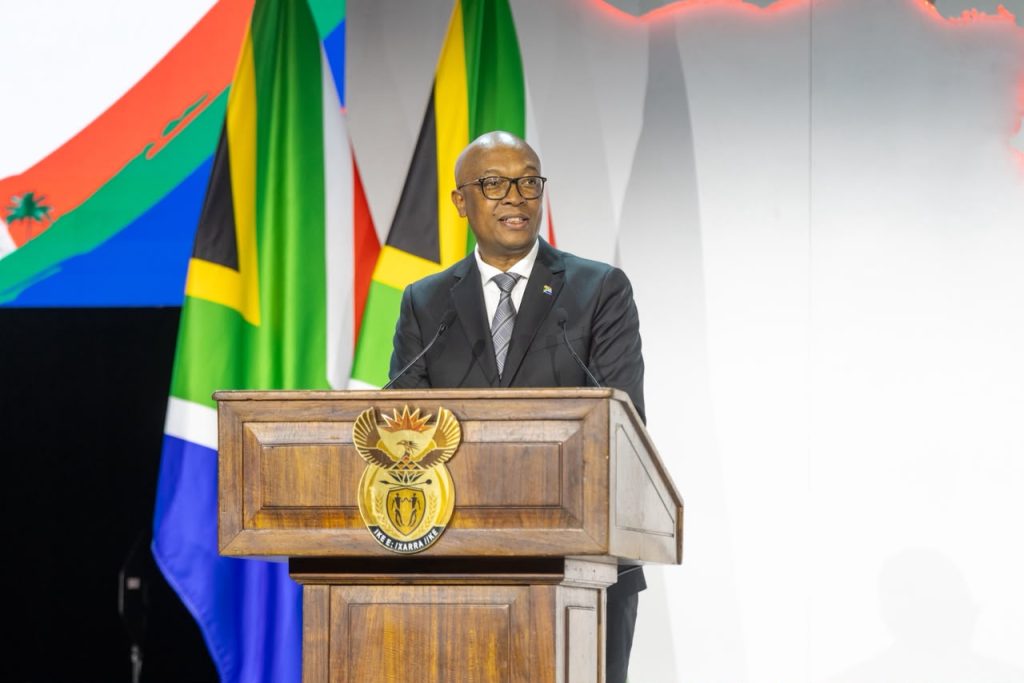
Minister of Department of Trade, Industry and Competition Mr Parks Tau
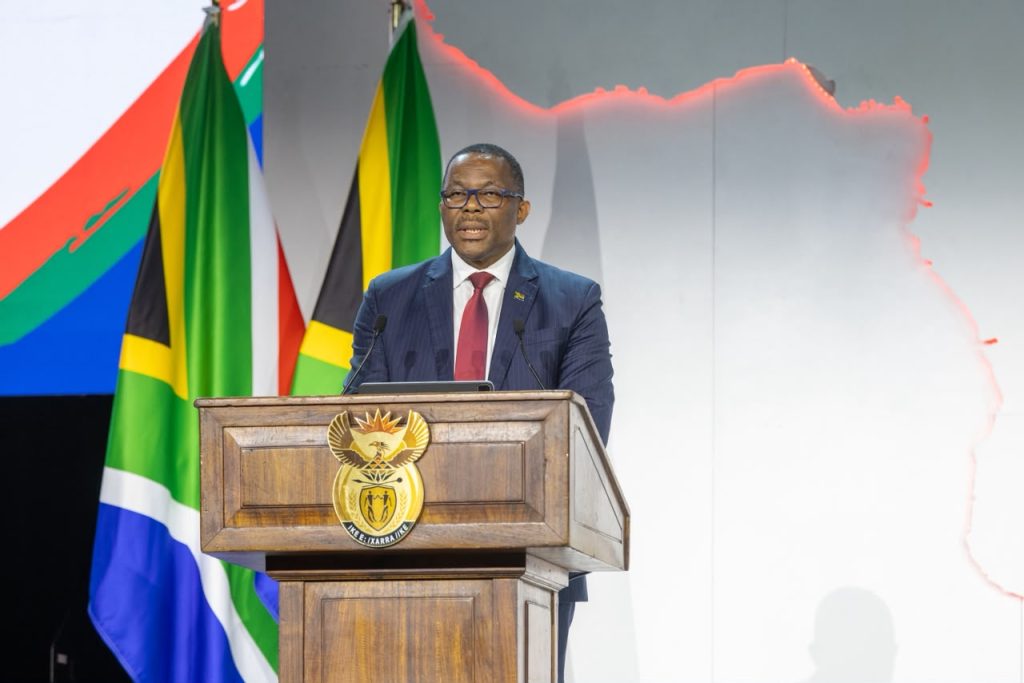
EThekwini Mayor,Councillor Cyril Xaba